Signs of Grief in Children Parents Should Never Ignore
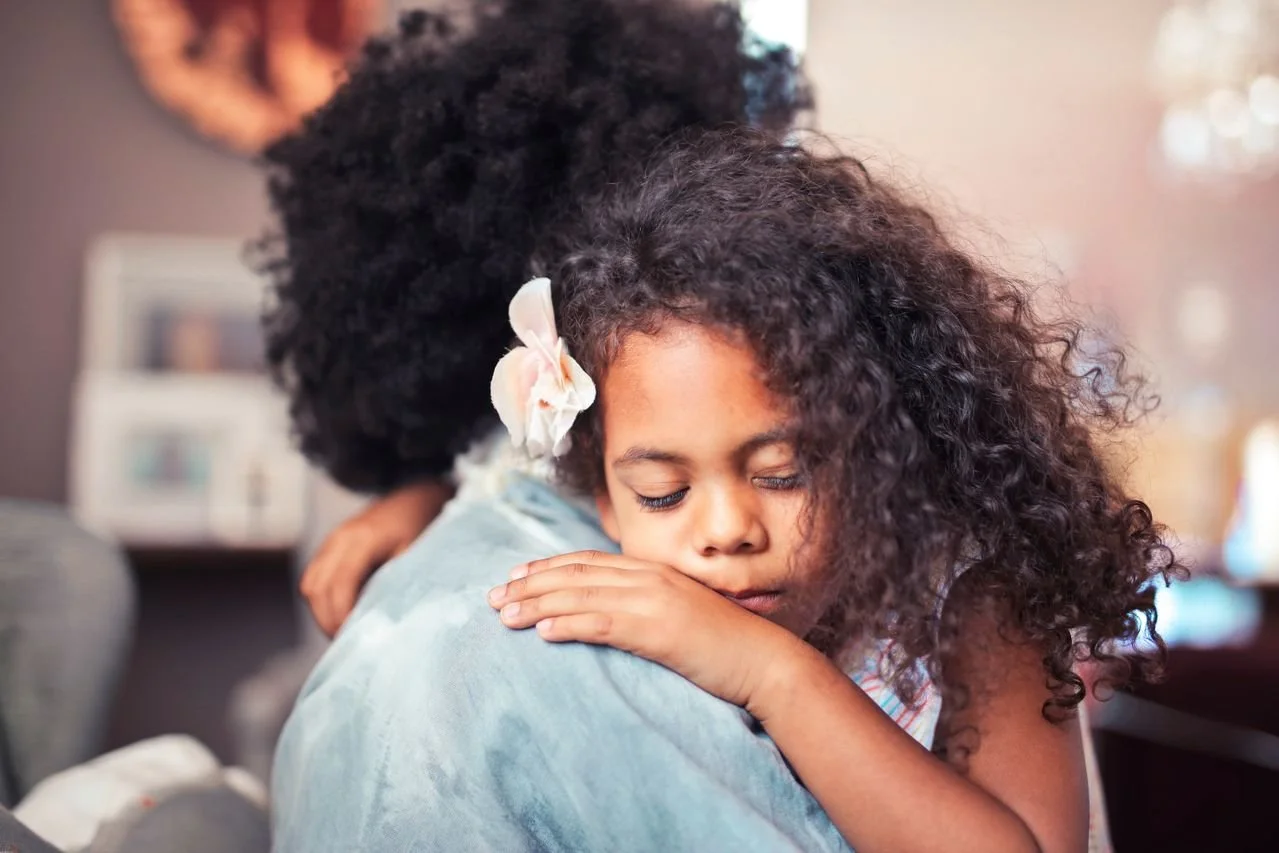
A young child’s entire world is built on predictability, pattern, and habits. Examples include delicious breakfast with parents, the hug from a parent after school is finished, evenings spent reading, and weekend adventures with the family. But when unexpected loss happens, that foundation of security and happiness is shattered. Grief creeps in and lingers in the small corners of rooms and spaces.
Children do not always express their sorrow and discomfort with tears or words. And so, recognizing the childhood grief signs is crucial for parents to enable meaningful and profound support.
Some kids hide behind anger, withdrawal, or even what appears to be indifference to mask what they really feel. As children grieve differently and cope with changes, these patterns require attention from guardians and parents to ensure compassionate intervention.
What Are Childhood Grief Signs?
In simple terms, childhood grief signs encompass the emotional, behavioral, and physical changes that occur when a child experiences the death of someone important.
Compared to adults, who typically experience grief as a sustained emotional weight carried through weeks or months of coping, children jump in and out of their grief like interacting with a puddle. As an example, a child may cry intensely one moment and ask to play the next. They are still grieving, but their developing brains cannot tolerate overwhelming emotions for extended periods.
Common Emotional Childhood Grief Signs
Grief symptoms in children frequently manifest as behavioral changes rather than verbal expressions of sadness. Here are some of the signs that parents have to watch out for.
Persistent Sadness and Depression
While sadness is expected from the unfortunate situation, prolonged depression that interferes with daily functioning signals a need for professional support.
Anxiety and Fear
Loss shakes a child's sense of peace and safety. Often, they worry about what the future will look like, their remaining family members, and simple things. This anxiety may manifest as clinginess, school refusal, or new fears like the dark or being alone. Some children may begin to experience anxiety in the form of a panic attack, so parents be aware.
Anger and Irritability
Anger is one of the most misunderstood childhood grief signs. In this situation, a child may direct rage at the deceased parent for leaving, at the surviving parent, or at the unfairness of the world. The toll of the emotional loss can trigger unhinged feelings.
Guilt or Self-Blame
Children may still think that their loved one’s death was somehow their fault. If this happens, guardians are tasked with reassuring them or finding a counselor for them to reassure them that they had no fault in the tragedy.
Confusion and Disbelief
In general, children may repeatedly ask the same questions as their minds struggle to accept a reality that feels impossible. It’s best that guardians carry extra patience and understanding for the young ones.
How Grief Can Affect School and Friendships
Here are the effects of children going through grief.
Falling Grades and Trouble Concentrating
With a lot of questions and worries about their home life, some children neglect their schoolwork. Teachers should be informed about the loss so they can offer flexible expectations and support. There may be loss of focus when grief triggers them. Provide a safe space for the student to go to either in the classroom or within the school when grief becomes unbearable for the student.
School Avoidance
At times, children refuse to attend school to avoid interacting with other people. They mostly don’t want to talk about what happened and prefer to keep to themselves.
Changes in Friendships
Bereaved children may withdraw from friends or struggle with maintaining bonds because of negative thinking, such as, envy that other students still have an intact family. Some topics can become taboo because of the situation as well. The feeling of being “different” also lingers as kids feel more alone now that they have lost a parent.

A young girl looking at the ocean | Image Source: Pexels
Parents Helping Their Grieving Child
Listen Without Judgment
Children need to feel heard: their worries, concerns, sadness, and hesitations. And so, creating space for all feelings—sadness, anger, confusion, or even happiness—without judgment is essential. Moreover, it fortifies the relationship between parents and children.
Encourage Honest Conversations
When having exchanges with the child about the departure of their loved one, use clear, age-appropriate language. So, parents or guardians should avoid euphemisms like "passed away" or "went to sleep," which confuse children.
Maintain Daily Routines
Routines provide structure and security for parents and children. During chaos, routines help people focus on what to accomplish and follow. Therefore, regular mealtimes, bedtimes, and school attendance help children feel safe. While there might be some changes, most of the schedule stays the same.
Validate Every Emotion
Adults need to tell children that emotions are valid and normal. "It's okay to be sad" and "Your feelings make sense" are some of the simple sentences that reassure kids that their emotions are real and reasonable.
Keep Memories Alive
Even when the physical part of the deceased loved one is not with the family, members should still remember their memories. Adults should consider sharing stories, display photos, and even celebrate the person's birthday.
Healthy Coping Strategies for Children
Drawing and Creative Activities
Creating art is one of the best avenues for articulating or sharing feelings. This outlet helps children visualize their internal emotions in an artistic way.
Journaling
Besides helping a child’s vocabulary and calligraphy, writing thoughts and feelings makes a difference. It enables children to release their pent-up emotions in a safe, private space where they are not judged.
Physical Activity
Exercise supports emotional regulation and provides an outlet for anger and restless energy. A grieving child can play sports—football, basketball, or swimming—to strengthen the body and keep the mind focused on a goal.
Memory Boxes
One of the most meaningful things children and parents can do to cope with a loss is to build memory boxes. This compartment contains photos, mementos, tickets, receipts, notes, and any item that provides a tangible connection to the loved one.
Reading Together
Perhaps the quietest activity for kids and parents or guardians is reading together. This portion opens conversations—both light and heavy—for children, ensuring that they can share what they feel.
Handling Grief One Day at a Time
Compassionate understanding of childhood grief signs is essential for parents, caregivers, and educators who support grieving children as they get used to the changes in their environment. With loss changing how a child’s world moves, it’s important that unending support, honest communication, and consistent routines are available for the child.
Healing from a loss does not entail erasure; instead, it’s a transformative moment where the pain becomes a source of connection and strength. There is beauty even after pain and separation—love still remains in the heart.
For families seeking additional resources for their (online and actual) libraries, the book Joy Overcame Sorrow offers a gentle narrative that helps children see their own grief reflected and find hope on the other side of loss. Grab your copy of the book today. To know more about the author, read here.
Joy Overcame Sorrow is the first book in the Loved Lost One series. The second book, The Intersection, is now available in paperback and Kindle format.