Helping Siblings Grieve Together After a Loss
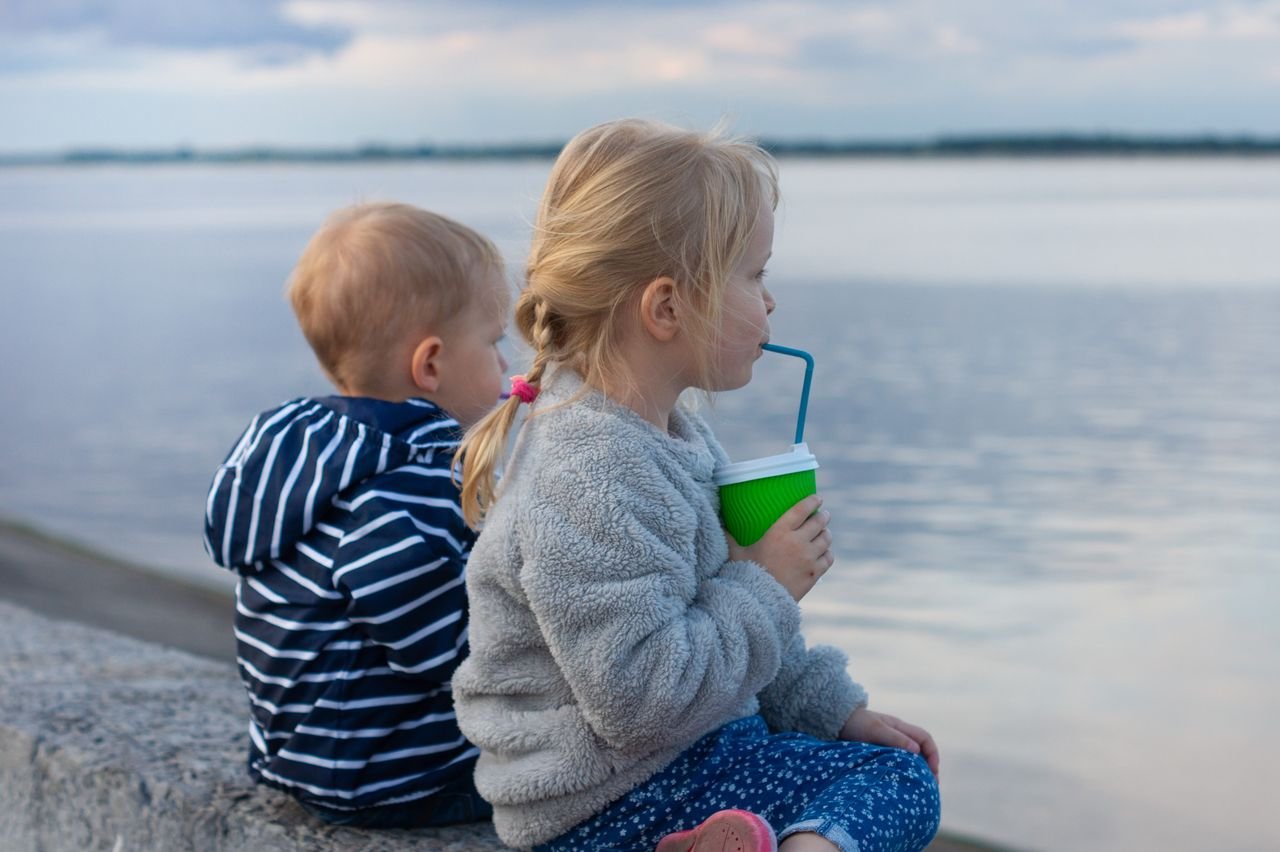
When a family loses a sibling or parent, the surviving siblings find themselves navigating a world that has fundamentally shifted. The death of a family member represents a shift in how things go—the decisions made for the family’s overall benefit.
The grief binds siblings together, a shared level of pain and agony indescribable and immense. And so, helping siblings grieve together is one of the most important journey that shape their personality, attitude, and relationship. The connection builds how siblings live their lives.
This article explores the complexities of sibling grief and provides practical strategies for families to support their children through this difficult time.
Why Sibling Grief Is Unique and Complex
How Shared Loss Can Feel Different for Each Child
Every child experiences grief differently. Even within the same family, siblings may have vastly different reactions to the death of a parent or sibling. As an example, one child may feel overwhelming sorrow, another may carry unresolved guilt, and a third might withdraw entirely.
Grief can pull distinct reactions from each child, which is normal. And so, it’s crucial to recognize the grief expressions shown by the children. From there, parents or fellow siblings can be compassionate and forgiving of their behavior.
Why Siblings May Drift Apart During Grief
Despite sharing the same home and loss, siblings often experience a painful sense of isolation from one another. This drift can happen for many reasons. Sometimes, siblings feel the need to protect their parents (or remaining parent) and, consequently, withhold their own grief to avoid adding to their parents' burden.
In other cases, parents (or remaining parent), overwhelmed by their own sorrow, may unintentionally neglect the surviving children, leaving siblings to feel they have lost not only a brother or sister but also their parents. It is a complicated situation when a family member passes away.
As this dynamic persists in the family—where someone feels neglected, left behind, and becomes a silent individual—siblings (and even parents) drift apart from each other.
How Siblings Grieve Differently by Age
A child's understanding of death and their ability to process grief evolve with age, which is a crucial consideration for sibling grief support. Comparing how younger siblings and older kids understand and process grief is evident in how they react to death.
Young ones often think they caused the misfortune because of a thought or wish. Grade school siblings who understand death is permanent may be intensely curious about the details of death, have nightmares, or worry excessively about the safety of their parents and themselves.
On the other hand, teens take grief to another level with their coping mechanisms. They can become aloof, insecure, angry, anxious, or withdrawn. In some instances, they can open up to their siblings or remaining parent. The complexity will require remaining family members to be more empathetic and cautious.
Challenges That Can Arise Between Grieving Siblings
Misunderstanding Each Other's Grief
When siblings grieve differently, misunderstanding is almost inevitable. One sibling may want to talk about the loss constantly, while another cannot bear to mention the deceased's name. One may seek comfort in family, while another retreats into solitude.
Without open communication, these differences can easily be misinterpreted as indifference or a lack of caring, creating a rift between siblings.
Emotional Distance, Isolation, and Conflict
Bereaved siblings often report feeling alone in their grief, especially if they perceive their peers do not understand what they are going through. This loneliness can be magnified at home if siblings find they are unable to communicate about the loss. With the weight of the parent’s pain and the sibling’s own sorrow, isolation is possible.
Later on, minor issues can become larger ones to mask sadness and pain. The connection fizzles if siblings are not talking to each other.
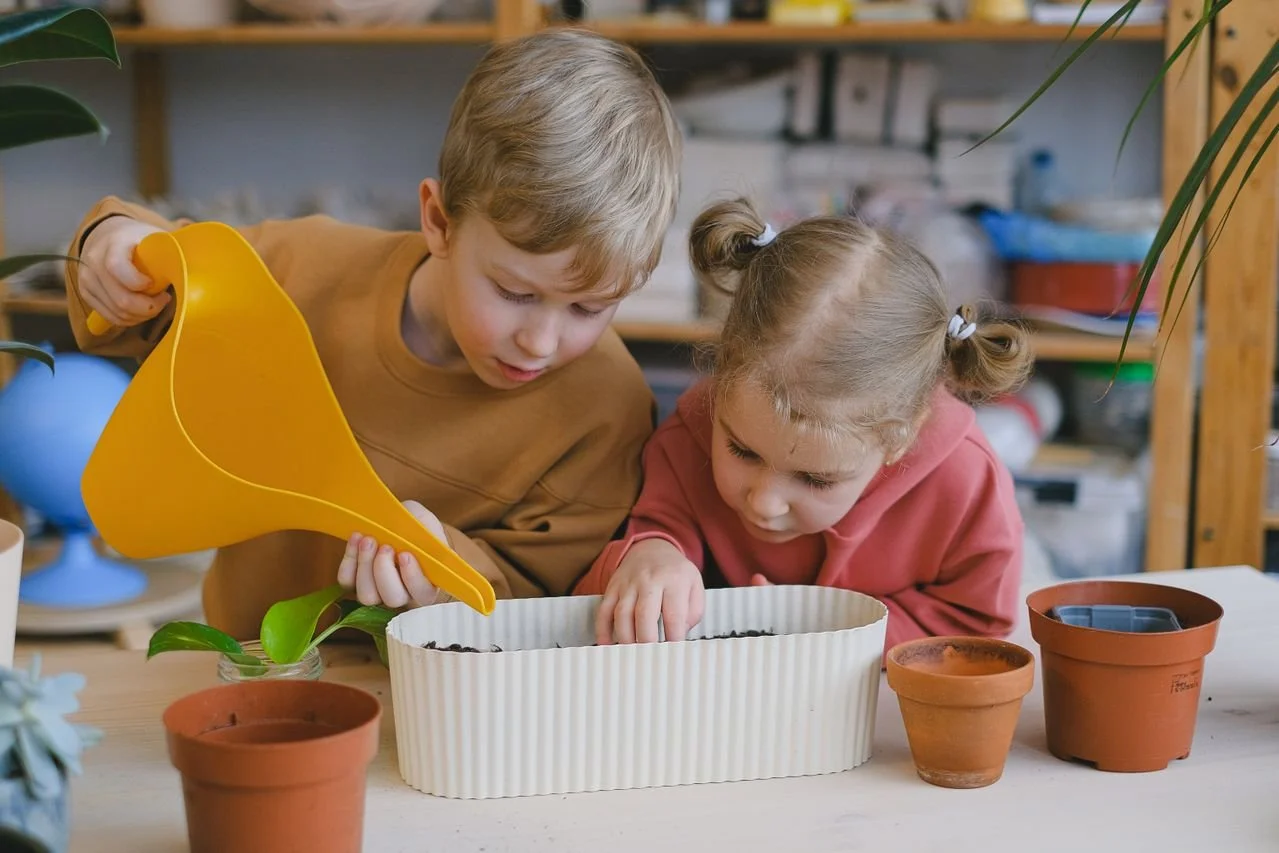
Siblings helping each other | Image Source: Pexels
How to Help Siblings Grieve Together
Encourage Open Family Conversations About Loss
Creating a safe and open space for honest and genuine communication is foundational to helping siblings grieve together. Parents can start the process by sharing their own feelings of sadness and using direct, age-appropriate language like "died" or "dead."
This demonstrates to children that it is okay to talk about their sibling and express difficult emotions. Parents should also make time to listen to each child's individual story, acknowledging that every sibling has their own perspective and grief journey. This is where validation of feelings comes in—from parents and children.
Allow Different Ways of Grieving Without Judgment
It is crucial for parents to avoid comparisons. Telling one child they should be more like another who is handling the loss "better" is harmful. Instead, parents should communicate that there is no "right" way to grieve and that each family member will grieve in their own way and in their own time.
Some children need to talk; others need silence. Some need to play; others need to be alone. Accepting these differences is a powerful way to reduce conflict and build emotional safety.
Create Shared Grief Rituals and Activities
Shared rituals and memory-making activities can be an anchor for a grieving family. Engaging in family healing activities can provide a tangible way to honor the deceased sibling or parent and allow everyone to share their grief together.
Collective acts of remembrance provide a focus for grief, creating a shared experience that can strengthen family bonds during a time when they are most fragile.
Encourage Siblings to Check In on Each Other
Parents can gently encourage siblings to support one another. However, it's important that this does not feel like another burden. A simple reminder to "check in" or ask, "How are you doing today?" can go a long way.
Even small gestures—sending a memory, sharing a dream, or just sitting together in silence—can help siblings feel connected. When siblings support each other, they can find comfort in the shared experience and begin to rebuild their family unit.
Healing Activities for Siblings to Do Together
Practical, shared activities can help siblings express their grief and honor their sibling or parent. For instance, siblings can create a shared memory box or album filled with photos of the deceased. Instead of throwing the loved one’s things, they can select mementos to keep around the home as a reminder of the person.
Some families find comfort in lighting a candle on special occasions, and others may find healing in writing letters to their sibling (or parent) or planting a memorial garden. They can etch the name of their loved one on a tree in their backyard.
These rituals remind siblings that their family can still create meaningful experiences together, even while carrying the weight of grief.
Siblings Find Comfort and Understanding with Each Other
Helping siblings grieve together after a loss is a challenging but essential part of family healing. By creating an environment of acceptance, validating each child's individual journey, and encouraging shared rituals of remembrance, parents can help their children support one another as they navigate the unimaginable.
If your family has lost a loved one—whether a sibling or parent—and a young sibling is in need of help processing the grief, Jerry Woodbridge’s Joy Overcame Sorrow is an excellent resource to read. The book helps young kids understand grief better. Get your copy of Joy Overcame Sorrow today. Find out more about the author here.