School Challenges Children Face After Losing a Parent
While death is constant and inevitable, it's still a painful, uncomfortable process. For children, it becomes one of the most devastating affairs they’ve encountered—and at a young age! For the whole family, the situation shifts their life’s direction and priorities.
And so, children are left navigating a world that suddenly feels unfamiliar and unsafe. When these grieving children walk through the school gates and into their respective classrooms, they carry an invisible emotional weight. Understanding the school challenges after losing a parent is essential for parents, teachers, and caregivers who want to provide meaningful support during this difficult time.
This article explores the academic, emotional, and social difficulties bereaved students face, along with practical strategies to help them thrive again. Let’s bring smiles back to the students’ despondent faces.
Why Losing a Parent Creates School Challenges
How Grief Affects the Brain and Learning
Grief is not merely an emotional experience—it has a tangible impact on brain function. A 2024 study found that bereaved children may average about one point lower in full-scale IQ, specifically in reasoning skills, but this effect was only observed in those for whom the loss had a strong emotional influence.
If the child had a strong, dependent connection with the departed loved one, the effect would be more significant. But this does not diminish the thought that grief still affects daily functions.
Emotional Overload and Cognitive Disruption
When a child loses a parent, their emotional reserves are depleted. The constant undercurrent of sadness, confusion, and anxiety consumes mental energy that would otherwise be directed toward learning. The brain simply cannot perform at its peak when it is simultaneously processing such intense emotional pain.
Why School Triggers Grief Responses
School can inadvertently trigger grief responses in bereaved children. Classrooms may remind them of conversations they once had with their parent about schoolwork. Seeing other children with their parents at drop-off or school events can reignite feelings of longing and loss.
Academic Challenges After Losing a Parent
Decline in Grades
Many bereaved children experience a noticeable decline in academic performance. A prospective study published in the British Journal of Psychiatry found that children who lost a parent showed a significant degree of impairment in school performance compared to their non-bereaved peers.
Difficulty Concentrating
Concentration becomes extraordinarily difficult when the mind is preoccupied with grief. Children may find themselves staring at worksheets without absorbing any information, or they may lose track of what the teacher is saying mid-lesson.
Memory Problems
Grief affects both short-term and long-term memory. Bereaved children often struggle to recall information they previously knew well or to retain new material presented in class. This memory disruption can create a vicious cycle where falling behind academically increases anxiety, which further impairs cognitive function.
Lack of Motivation
The enormity of grief can lead to apathy and a "what's the point?" attitude toward schoolwork. Education becomes less meaningful when the child's world has been turned upside down. Their disheartened and grieving hearts don’t care about their studying anymore.
Homework Avoidance
Homework, which often requires sustained focus and independent work, becomes a daunting task for grieving children. The emotional energy required to complete assignments may simply be unavailable. Some children may avoid homework altogether because it feels like just one more burden they cannot bear.
Emotional Challenges in the School Environment
Anxiety in Classrooms
The classroom, once a place of routine, can become a source of anxiety for bereaved children. They may worry about being called upon unexpectedly or feel overwhelmed by the noise and activity around them. Some children develop separation anxiety, fearing that something terrible will happen to their remaining caregiver while they are at school.
Withdrawal or Silence
Some bereaved children respond by withdrawing entirely. They may become unusually quiet, avoid participating in class discussions, and retreat from social interactions. This silence is often a protective mechanism—a way to manage emotions that feel too big to express.
Fear of Separation from Caregivers
Losing a parent creates a profound fear of losing others. This can manifest as intense anxiety about being separated from surviving caregivers. Some children may call home multiple times during the school day or experience panic at the thought of their parent not being there at pick-up.
Emotional Numbness During School Hours
Some children cope with grief by emotionally "shutting down" during the school day. They may appear to be functioning normally but are actually disconnected from their feelings. This emotional numbness protects them from pain in the short term but can interfere with their ability to engage authentically with learning and relationships.
How Teachers Can Support Grieving Students
Classroom Adjustments That Help
Simple adjustments can make a significant difference. Teachers can offer extended time on assignments, reduce homework loads temporarily, and provide quiet spaces where students can regulate their emotions.
Language Teachers Should Use
Teachers should use clear, age-appropriate language about loss and avoid euphemisms. They should acknowledge the child's loss directly and offer ongoing support rather than a one-time conversation.
Academic Flexibility and Expectations
Grief support includes recognizing that academic expectations may need to be adjusted in the short term. Schools should communicate flexibility around deadlines and attendance while maintaining high expectations for eventual progress.
Creating Emotional Safety in Class
Children need to feel emotionally safe at school. This involves creating a classroom culture where feelings are respected, and regular check-ins are included. This measure ensures that children know they have a trusted adult they can turn to.
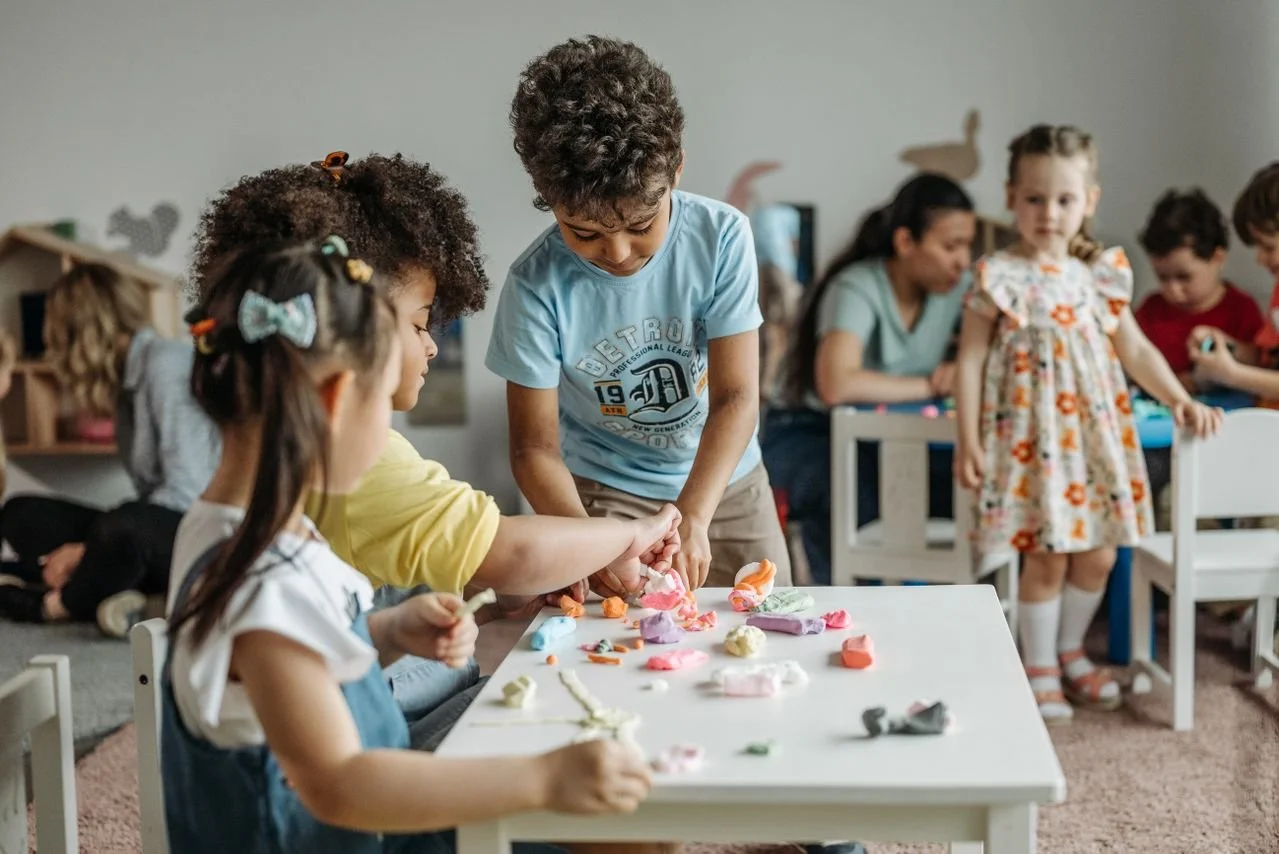
Children interacting at school | Image Source: Pexels
How Parents Can Help with School Challenges
Communicating with Teachers
Parents should proactively communicate with teachers about their child's loss and any anticipated challenges. This ensures that educators are not caught off guard by behavioral changes and can provide appropriate support.
Supporting Morning Routines
Consistent, calm morning routines can help reduce anxiety about going to school. Parents can also help children prepare for the school day by discussing what to expect and validating any feelings of worry.
Encouraging Gentle Reintegration
For children who have been avoiding school, gradual reintegration is often more effective than an immediate full return. This might involve starting with half-days, attending just one class, or having a trusted adult accompany them.
Coping Strategies Children Can Use at School
Breathing and Grounding Techniques
Simple breathing exercises can help children manage anxiety in the moment. Grounding techniques, such as focusing on the five senses, can bring them back to the present when grief feels overwhelming.
Writing or Drawing Feelings
Creative expression, including writing, drawing, and painting, can be a powerful outlet for grief. Providing opportunities for children to be creative and express their feelings can help them process complex emotions.
Safe Person or Teacher Check-Ins
Having a designated "safe person" at school—a teacher, counselor, or other trusted adult—can provide ongoing support and stability for grieving students. The child’s emotional wellness needs to be checked occasionally.
Navigating School Life After Loss
The school challenges after losing a parent are profound and multifaceted, affecting academic performance, emotional stability, social connections, and behavior. However, with the right support system—parents, educators, and peers—bereaved children can gradually stabilize and find their footing again.
For families seeking additional resources, books like Joy Overcame Sorrow by Jerry Woodbridge help children see their own experiences reflected and find hope on the other side of loss. Discover more about the author today by clicking the link.
